
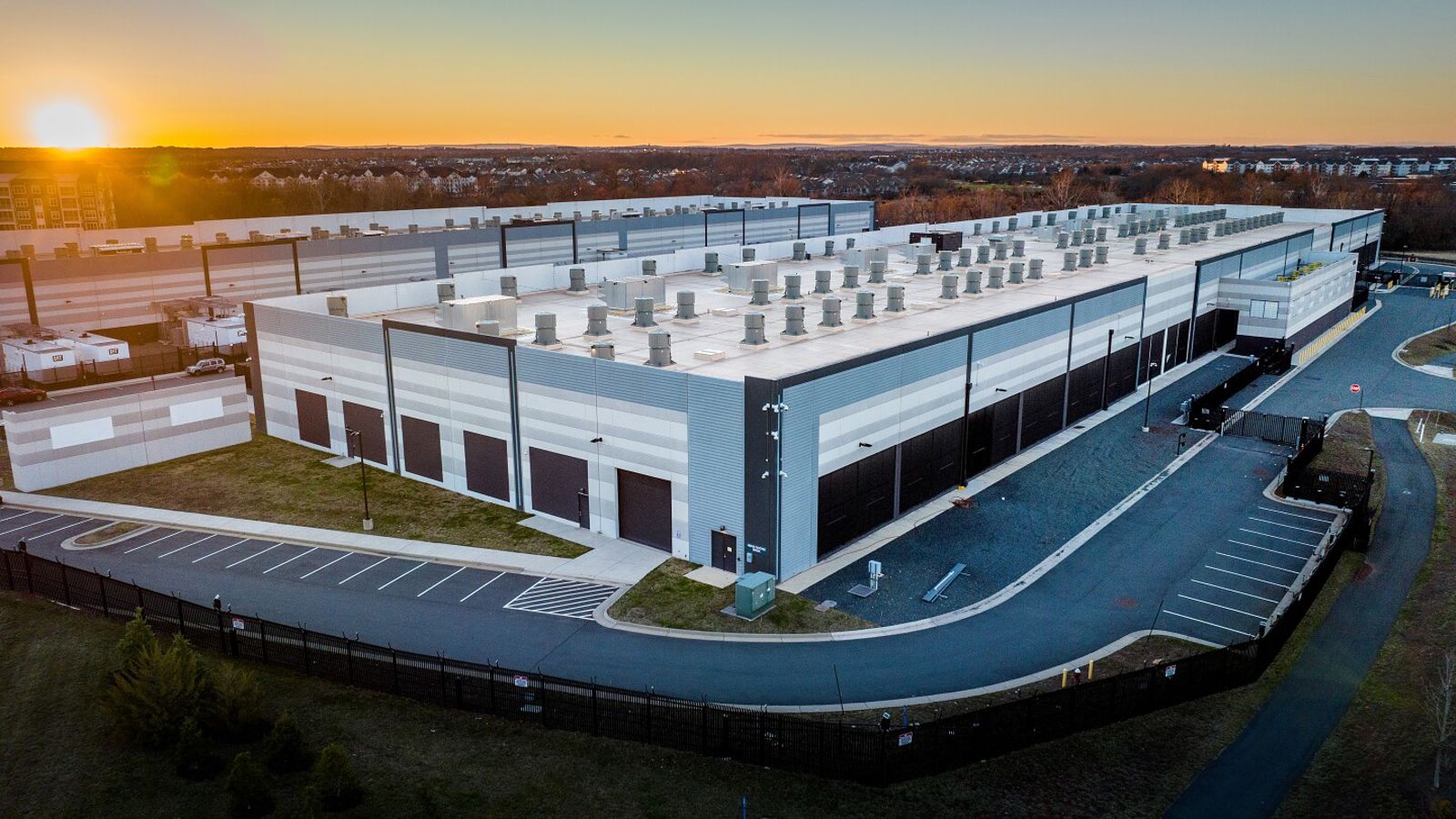
The rise of AI has come at a price as local communities deal with the impact of new data center construction. Your new neighbor might not stop by to borrow a cup of sugar, but what will they bring beyond real estate investment and claims of lower taxes?
Recently in East Vincent Township, PA, a proposed data center ordinance was shelved due to community concerns. And that township isn't alone. A proposed 1.4 million square foot data center in Limerick, PA (which would use energy from the Limerick nuclear power station) is under scrutiny over environmental impact and cost. Limerick Power Station is undergoing a major $167 million Digital Modernization Project, approved by the NRC, to replace analog controls with digital systems for enhanced safety, reliability, and cybersecurity, supporting both existing power needs and a large proposed nearby data center campus (Project Laurel).
So let's take a look at the pros and cons for the primary socio-economic categories impacted by the expansion of data centers across the country.
When any new business opens its doors there are direct and indirect financial benefits for the local community and region as a whole. On the scale of a data center it can be transformational, but at what cost?
Improved long-term, stable tax base because data centers are less volatile than retail or tourism-driven businesses.
Additional tax revenue can lower taxes for everyone else, and can positively impact the quality of schools and public services.
Workforce development opportunities are often created, including partnerships with local colleges, trade schools, or apprenticeship programs.
Additional employment opportunities: construction-phase jobs can create additional short-term employment for local contractors, trades, and suppliers, and high-skill, high-wage technical jobs can raise average local incomes.
Related businesses are attracted by logistics and market opportunities.
Property values are increased as residents see more value and opportunity in the area.
Data centers often negotiate long-term incentives, which can delay or reduce the actual tax revenue realized by the community.
New revenue can be offset by increased public costs, such as infrastructure upgrades, utility expansion, emergency services, and regulatory oversight.
Training programs and partnerships may require public funding or subsidies, and many specialized jobs still go to non-local workers if the local labor pool can't meet technical requirements.
Construction jobs are temporary, and permanent data-center employment can be relatively low compared to the facility’s size and incentives.
Secondary business growth is not guaranteed and may cluster elsewhere.
Rising property values can increase housing costs and property taxes for residents.
Most new businesses on the scale of a data center will also require local infrastructure improvements; think new and improved roads and bridges, electric grid capacity, etc. But it's not all roses. Here are a few of the key aspects of how local infrastructure is affected by a new data center.
Data centers are the bedrock for cloud computing, AI, and future technologies, ensuring the U.S. remains competitive in the digital age.
Utility and transportation infrastructure is often upgraded to support the new business, which has the knock-on effect of improving the lives of local residents.
Improved broadband availability and reliability, which can attract remote workers and tech startups, and increased grid resiliency through utility investment and redundancy improvements.
Lower traffic and lower strain on public services compared to factories, warehouses, or retail businesses.
Though data centers are crucial for cloud computing, they may not be the best fit for some communities.
While utilities and roads may be improved, the costs are often subsidized by taxpayers or ratepayers, and construction can cause years of disruption with limited long-term benefit to residents.
Enhanced connectivity and grid investments may be narrowly scoped to serve the data center, leaving residential service largely unchanged or more expensive due to cost recovery.
Although day-to-day traffic is light, it may only center around the data centers themselves.
Any new business will impact the local environment to some extent. The size of a data center means a bigger impact. But it isn't all bad. The key questions is: do the benefits out-weigh the drawbacks?
Increased investment in renewable energy (many data centers commit to solar, wind, or long-term power purchase agreements).
Waste heat reuse potential, such as heating nearby buildings, greenhouses, or municipal facilities.
Modern data centers often exceed environmental efficiency standards compared to older industrial developments.
Low pollution and noise levels relative to manufacturing plants.
Reduced land-use impact through vertical construction and efficient site design, preserving more surrounding green space compared to sprawling industrial facilities.
Data centers can still strain the local power grid, crowding out other users if generation or transmission upgrades lag behind demand.
Heat reuse projects are complex and costly to implement, even when nearby facilities can reliably use the heat.
Even efficient data centers consume vast amounts of electricity and water at scale, impacting regions facing water scarcity or energy capacity limits.
While quieter and cleaner overall, data centers can still introduce noise from fans and large backup generators.
Some data centers are built in rural conservation areas, negatively impacting local wildlife.
There's usually more to the story so if you have questions or comments about this post let us know!
Do you need a new software development partner for an upcoming project? We would love to work with you! From websites and mobile apps to cloud services and custom software, we can help!